Index / 05 — AI Education

AI Education

I lead hands-on AI training for organizations — not generic overviews, but personalized workshops built around what each person actually does day to day.

AI isn't something you can learn from reading. You have to do it. That's the whole philosophy behind how I run these.

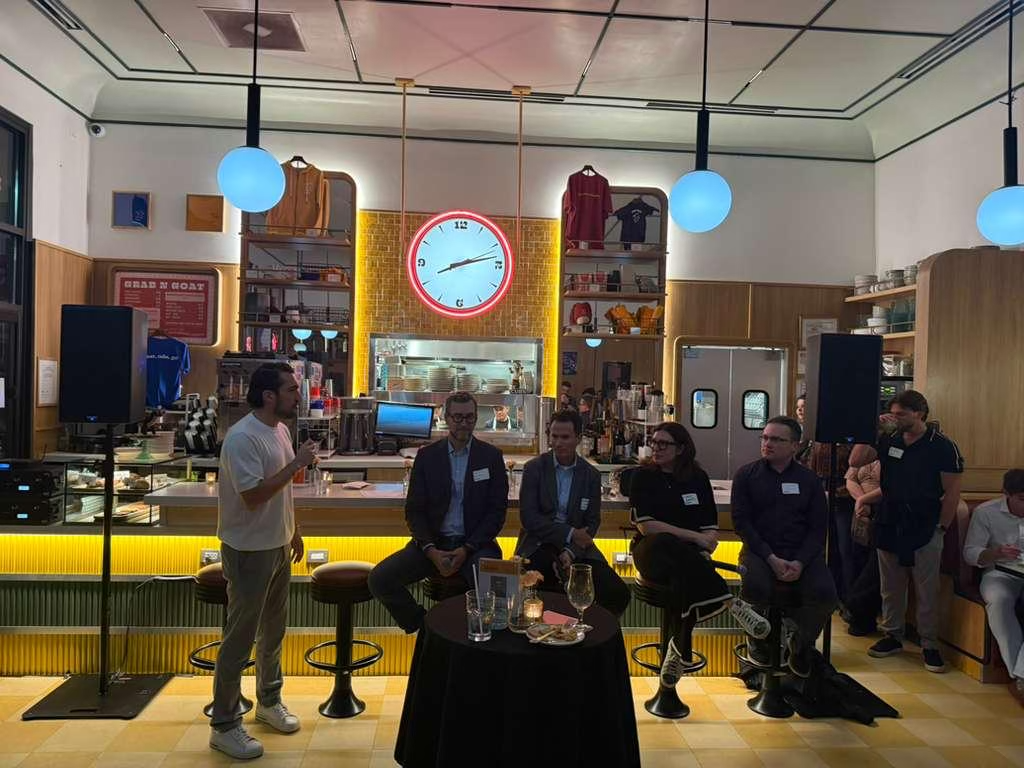
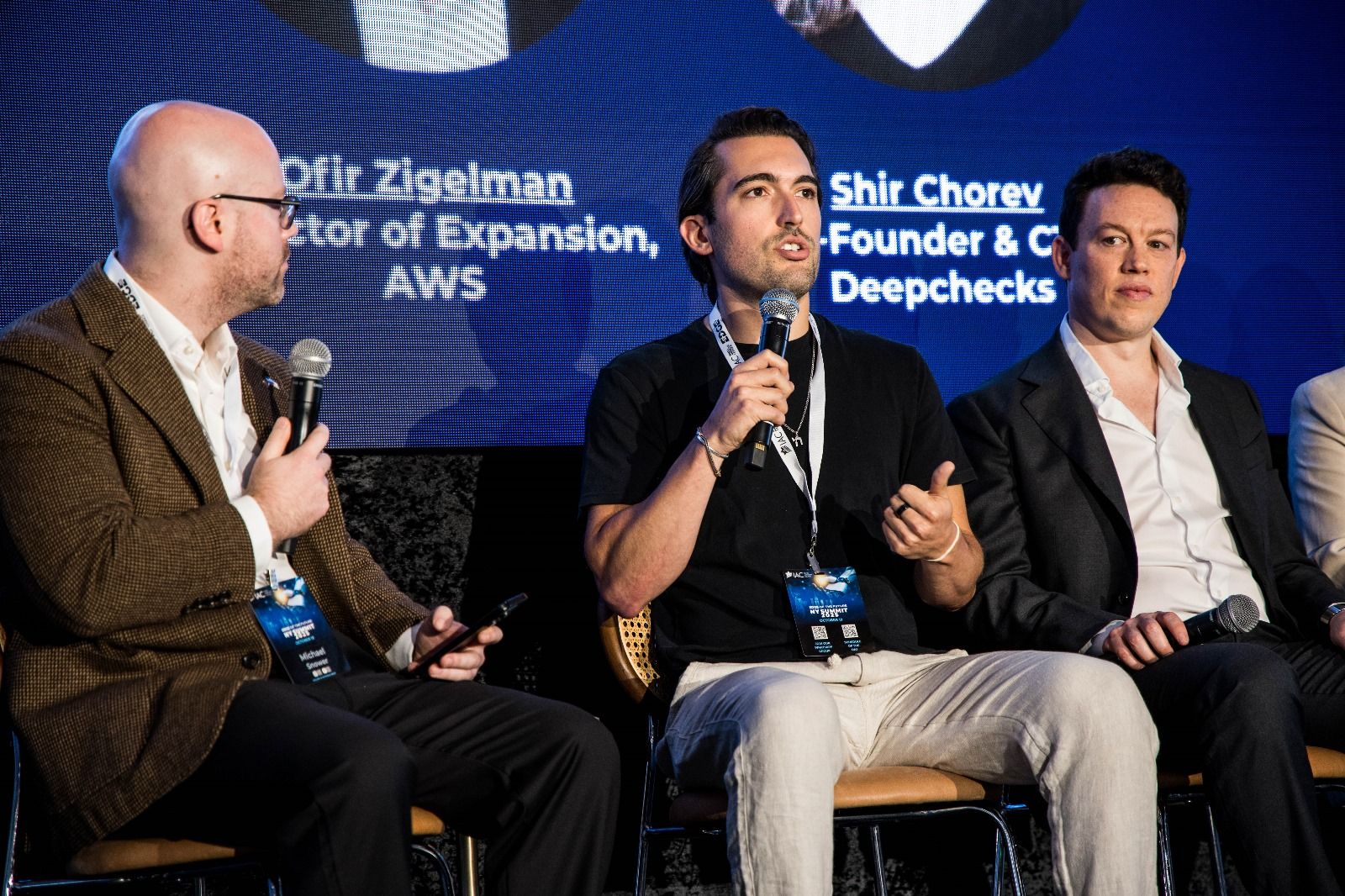
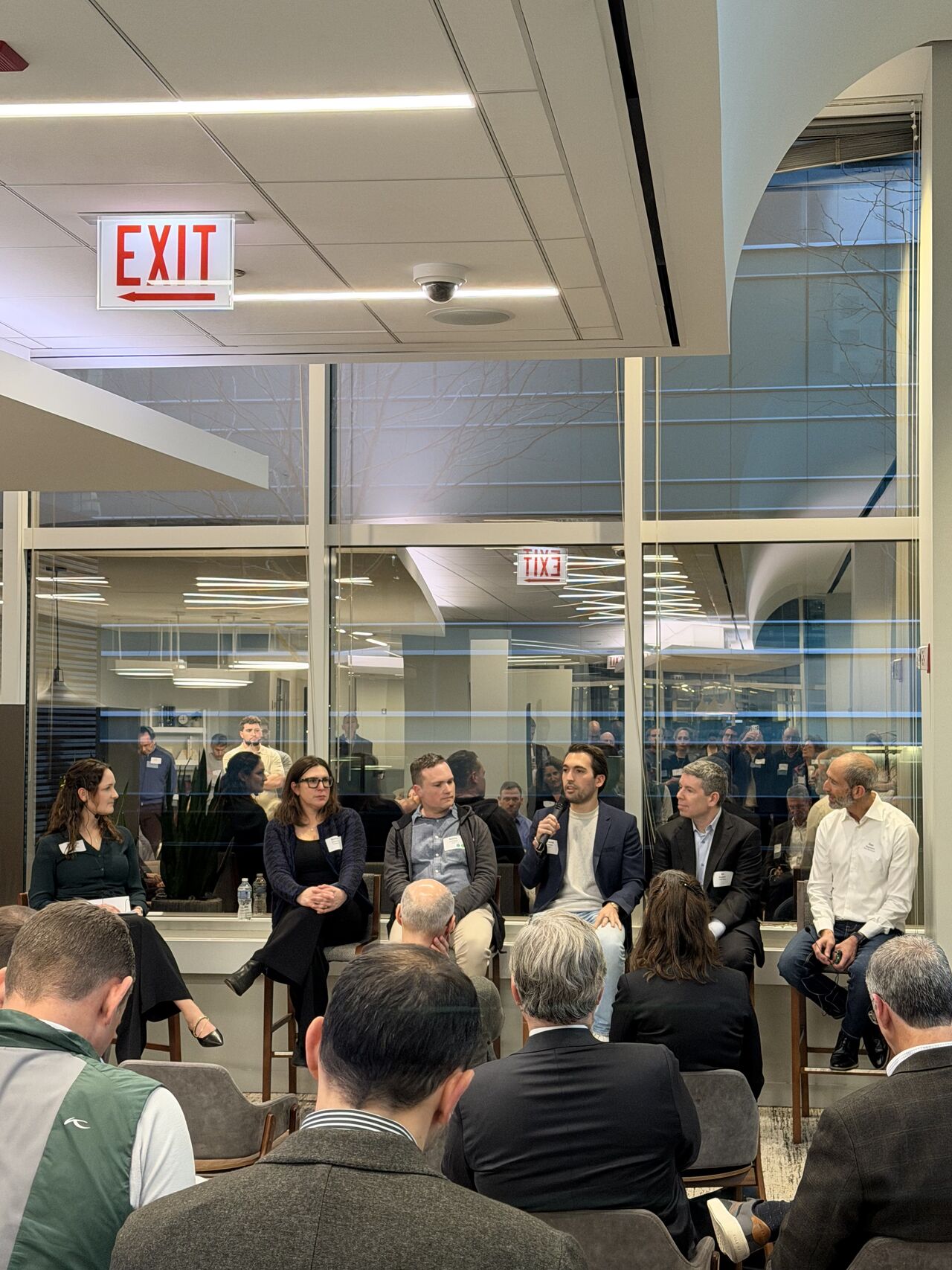
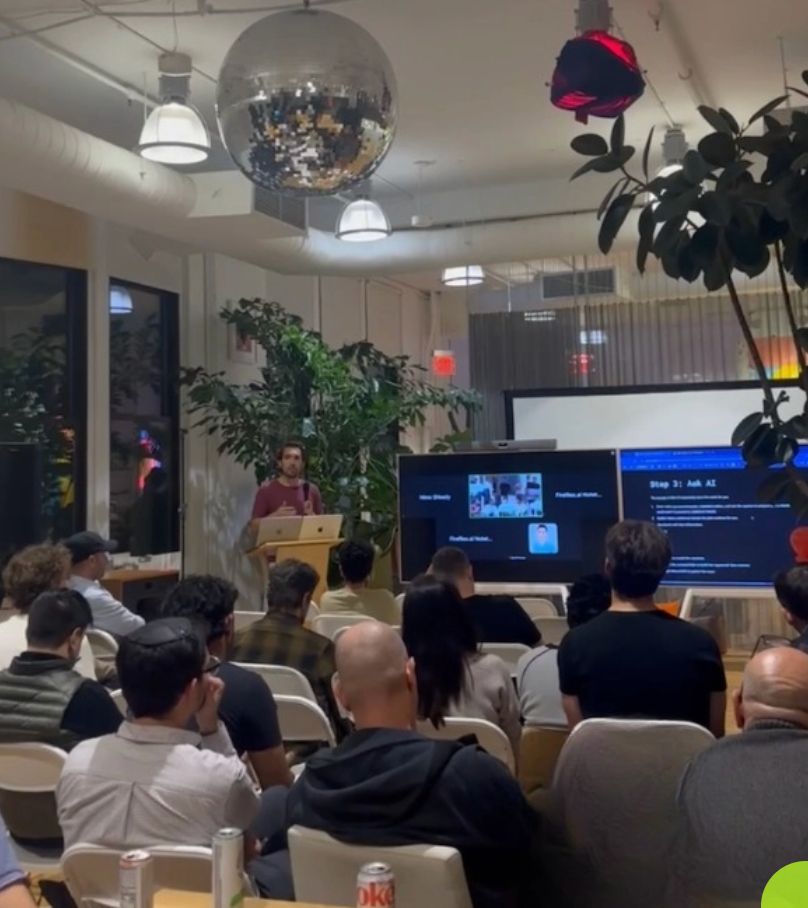
In the Field
The Program
No. 01

How It Works

Discovery, group overview, then personalized one-on-one office hours.

More

Step 1 · Discovery.I meet with stakeholders to understand the org, each person's day-to-day, and where the lowest-hanging fruit is to automate first.

Step 2 · Group Overview.A 45-minute session covering the high level — how the tools work, real demos relevant to your actual workflows, and examples to get the brain going. Short on purpose. Nobody learns by staring at a screen for hours.

Step 3 · Office Hours.This is where the real learning happens. Personalized sessions where I walk each person through building their first automations. Hands-on, not theoretical.

No. 02

Why Personalized

Every person gets a different experience tailored to their role and skill level.

More

We're in a new paradigm of learning. Previously everyone read the same textbook. Now every single person can get an entirely different textbook custom tailored to them — without any additional effort.

If eight minutes of a group session are spent on something specific to one person's workflow, that's wasted time for everyone else. So the majority of the training is personalized to each individual's specific workflow.

For someone who's never logged into an AI tool, the breakthrough might just be showing them how to ask questions conversationally. For a power user, it's building full automation pipelines. Same program, completely different experience.

No. 03

What You'll Build

Real automations from day one — email drafts, meeting summaries, workflow pipelines, and more.

More

You'll jump in and build an automation. Thirty minutes later it'll be running. That's the part that blows people's minds — how easy it actually is.

Examples: automated email draft replies every morning, meeting notes that action out tasks and notify your team, presentation decks built from your existing documents, custom AI skills tailored to your org.

Start with the low-hanging fruit. Scale up from there. You'll catch the bug.

No. 04

The Philosophy

AI removes the painful stuff so you can focus on what you're actually good at.

More

AI isn't about replacing people. It's about alleviating pain points so you can focus on doing your job. Every person was hired for a specific purpose — imagine the efficiency if they could spend 100% of their time on exactly that.

It removes the most painful, boring, monotonous stuff you actually hate. It frees up your time to focus on the things you love and the things you're good at.

Implementation is valueless if the employee doesn't adopt it. That's why the training is built around making sure nobody leaves thinking "cool, but how does this apply to me?"

No. 05

Flexible Formats

Remote workshops, in-person hackathons, or ongoing retainer — whatever fits your org.

More

Base.Discovery call with stakeholders, 45-minute group session, and one-on-one follow-ups for each participant.

Hackathon.Training followed by four to five hours of actually building together, with hands-on guidance throughout.

Retainer.Ongoing access for questions and guidance as your team continues building and adopting.

Works for teams of three or departments of twenty-five. The structure scales — more people just means more discovery and more personalized follow-ups.

No. 06

Super User Program

Identify champions in each department to drive adoption across the org.

More

For larger organizations, I work with leadership to identify super users — one from each department who becomes the liaison. They come to discovery with homework already done: their department's pain points, repetitive tasks, and workflows ready to discuss.

Each super user gets a personalized roadmap of automations to start with and how to scale up. They become the in-house champion driving adoption within their team.